
Work/RISE Concept
2024 ✦ Solo designer
Loading...
61.2970°N 23.5025°E
© Sami Surakka 2026
Problem
Crisis responders lacked tools to quickly assess satellite-derived risk data and coordinate across agencies.
Solution
A situational awareness interface with progressive drill-down, built as a working, coded prototype.
Competition entries
226
Designers competing
32
RISE was a concept I designed for a competition focused on crisis management. The goal was to explore how NGOs, such as the Red Cross, and responders could better coordinate during natural disasters. My proposal combined situational awareness, clear prioritization, and a modern, futuristic interface for decision-making under pressure. The design won the competition, which I'm proud of — though I decided afterward not to enter similar contests again. I enjoy the creative challenge, but the amount of unpaid work these formats often generate doesn't feel right to me, even if I did get the prize money from this one-shot experiment.
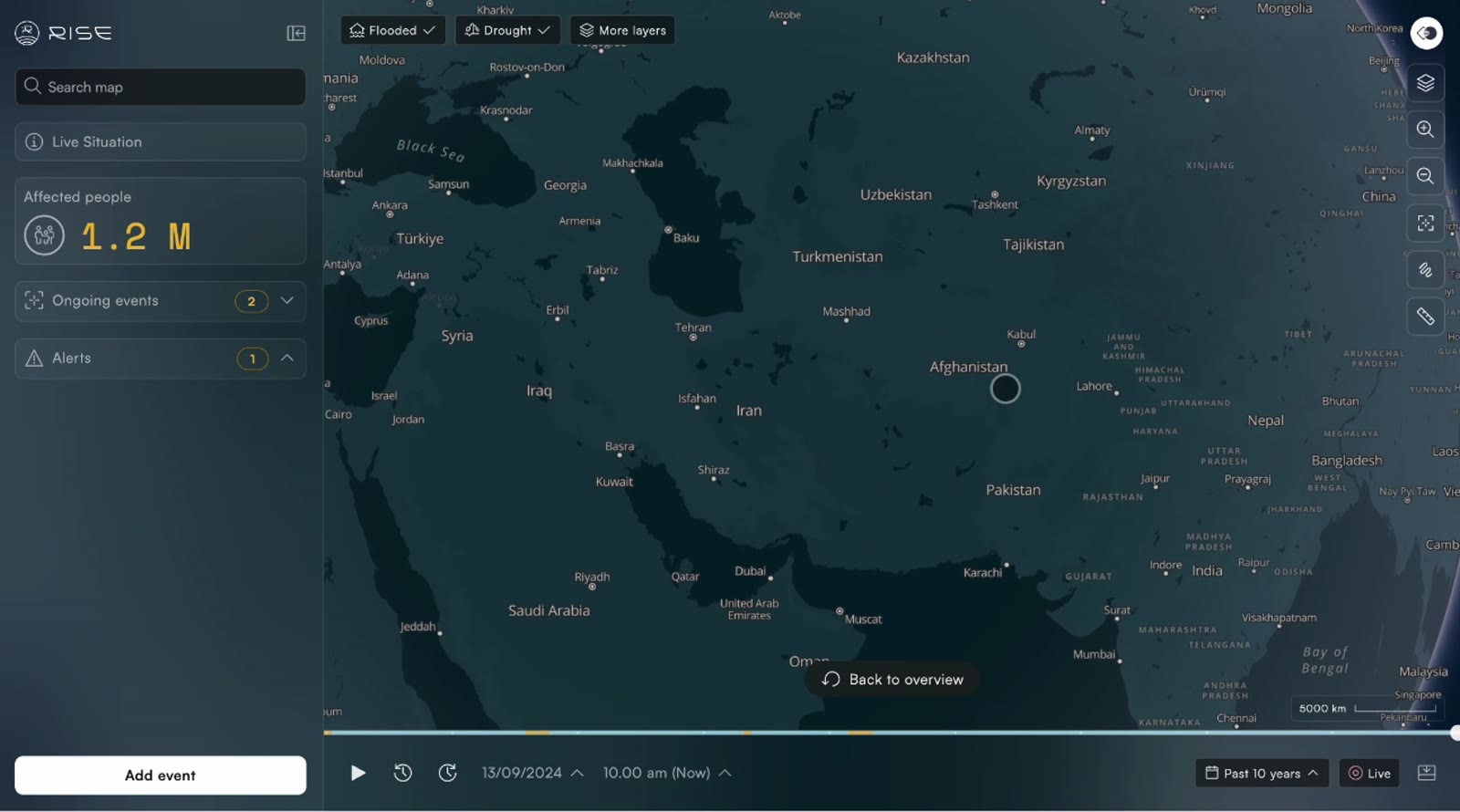
The RISE brief, commissioned by WASDI Sarl, asked for a web application to monitor natural hazards in and around humanitarian camps using satellite data. The target users were humanitarian agencies and governments who needed to understand risk, plan interventions, and react quickly to floods, fires, and other threats—without having to deal with the underlying complexity of satellite image processing. The competition required designs for four key pages: a public landing page, a private dashboard, a web‑GIS “Monitor” view, and a registration flow.
My concept focused on surfacing situational awareness at a glance, then letting users progressively drill down. The dashboard highlights current risk levels and important changes, while the Monitor view uses a clear visual hierarchy and restrained color palette to keep hazards, assets, and timelines understandable even under pressure. I designed high‑fidelity interfaces and implemented an interactive coded prototype so that the experience could be evaluated as a real product, not just as static screens. The result was a modern, slightly futuristic interface that respects the seriousness of the context while still feeling approachable.
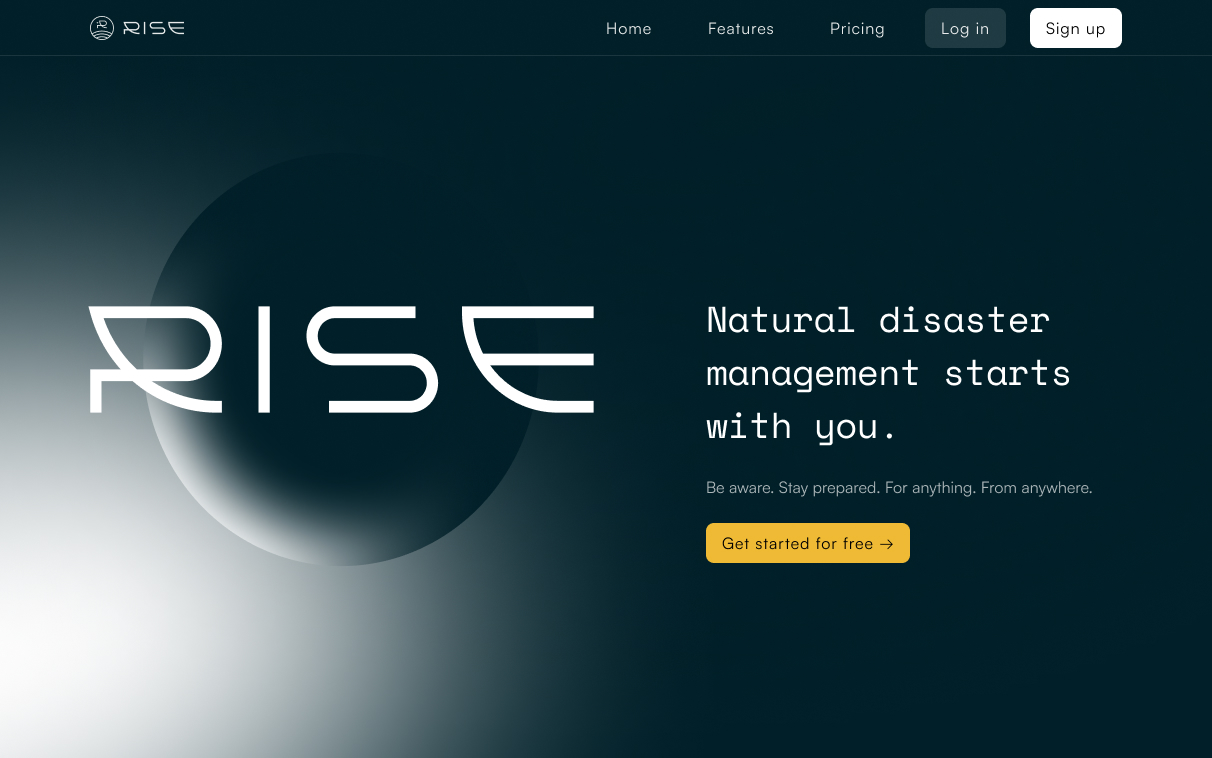
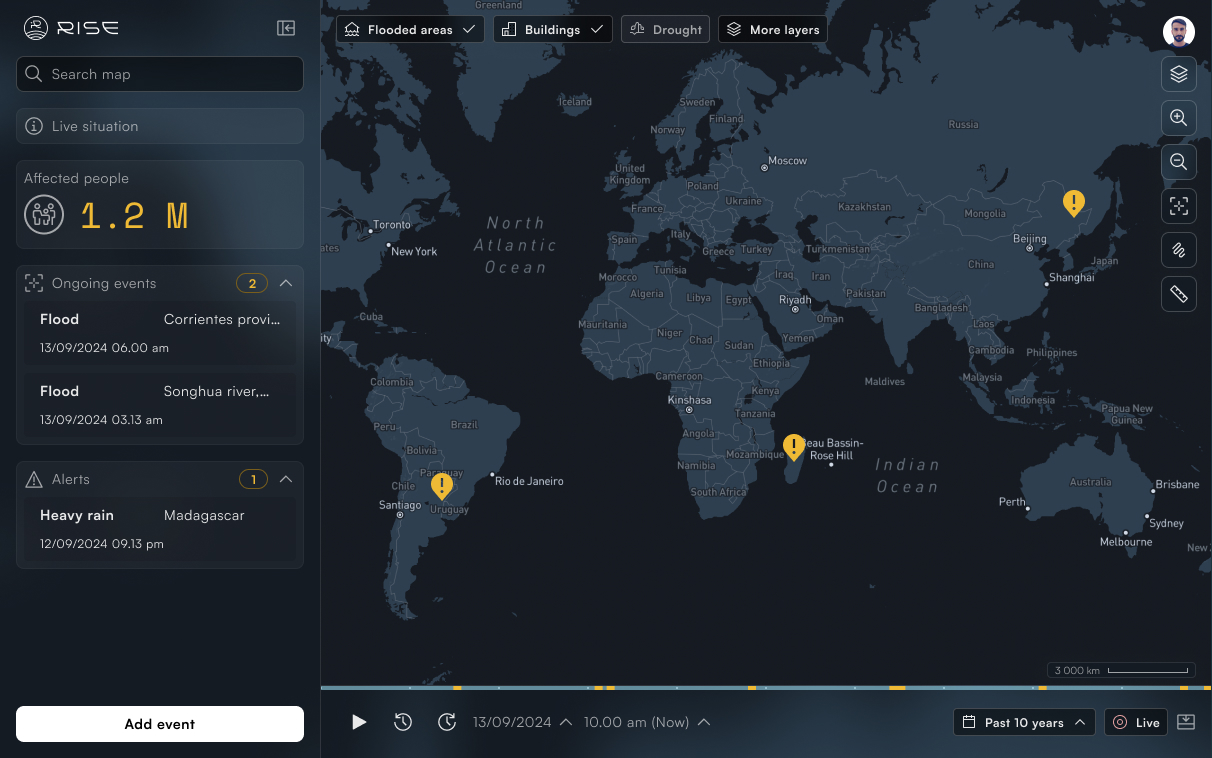
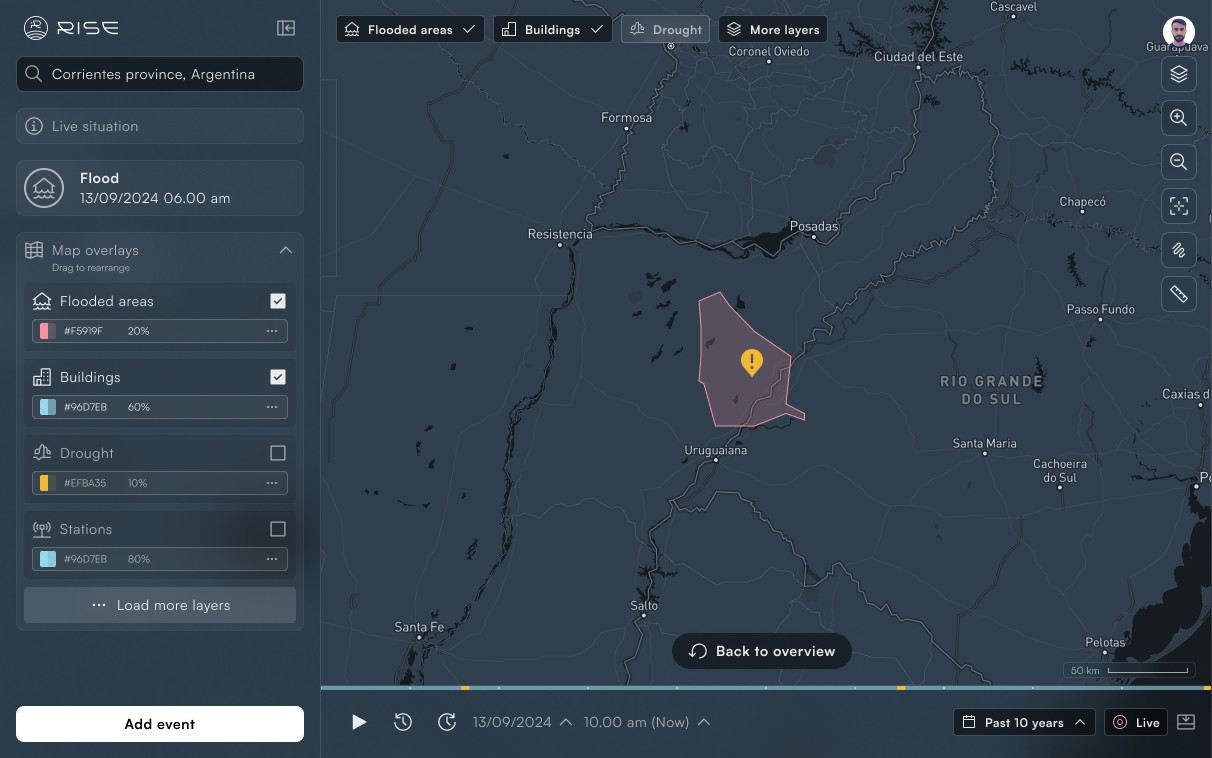
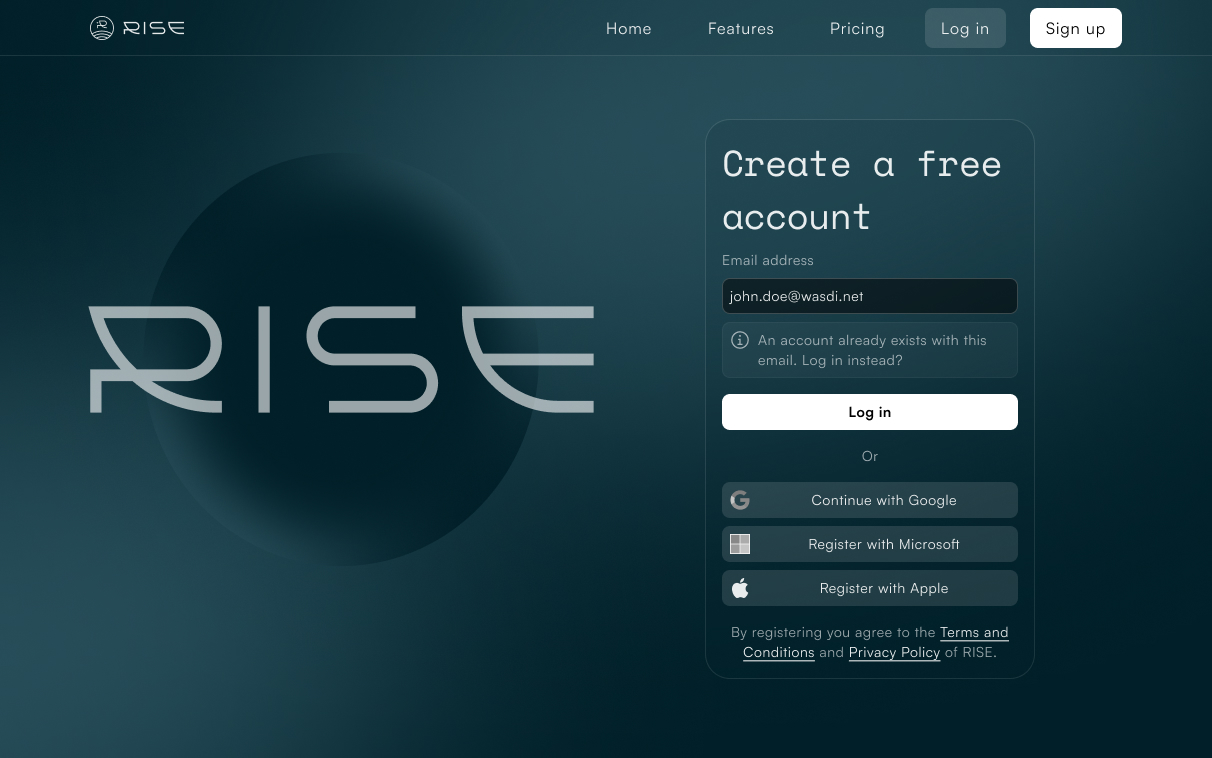
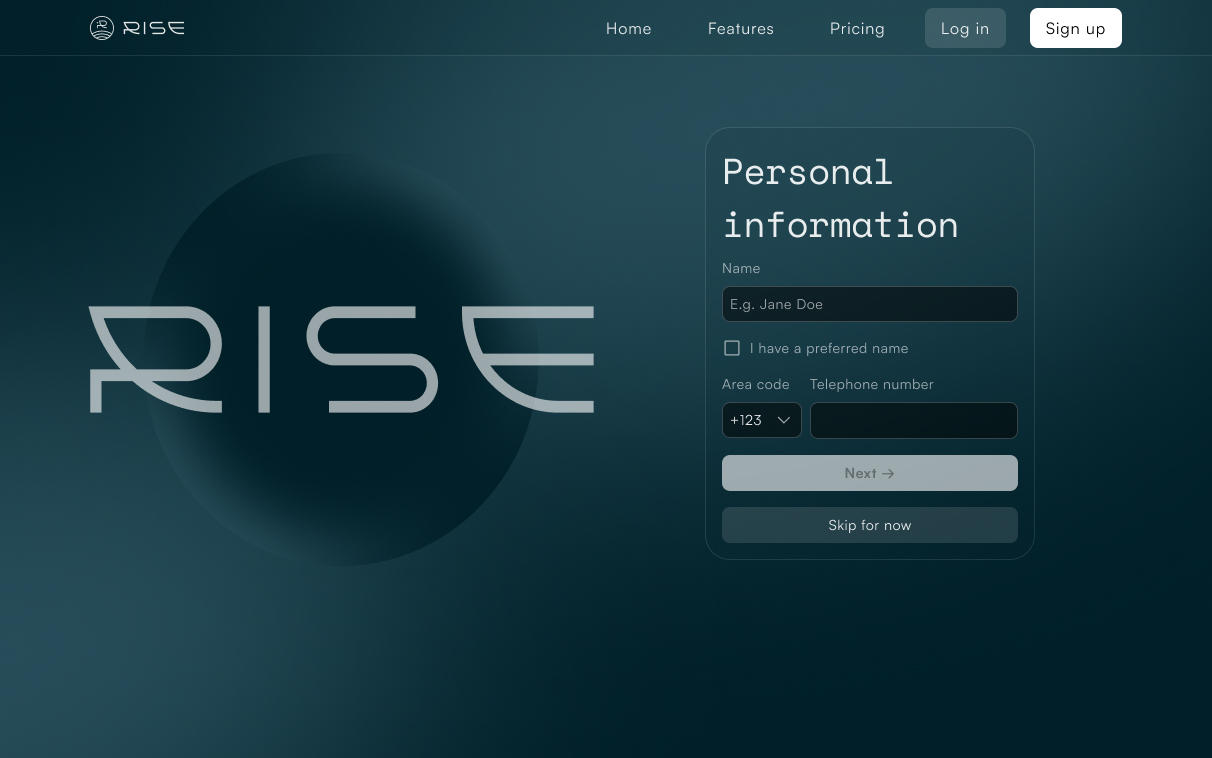
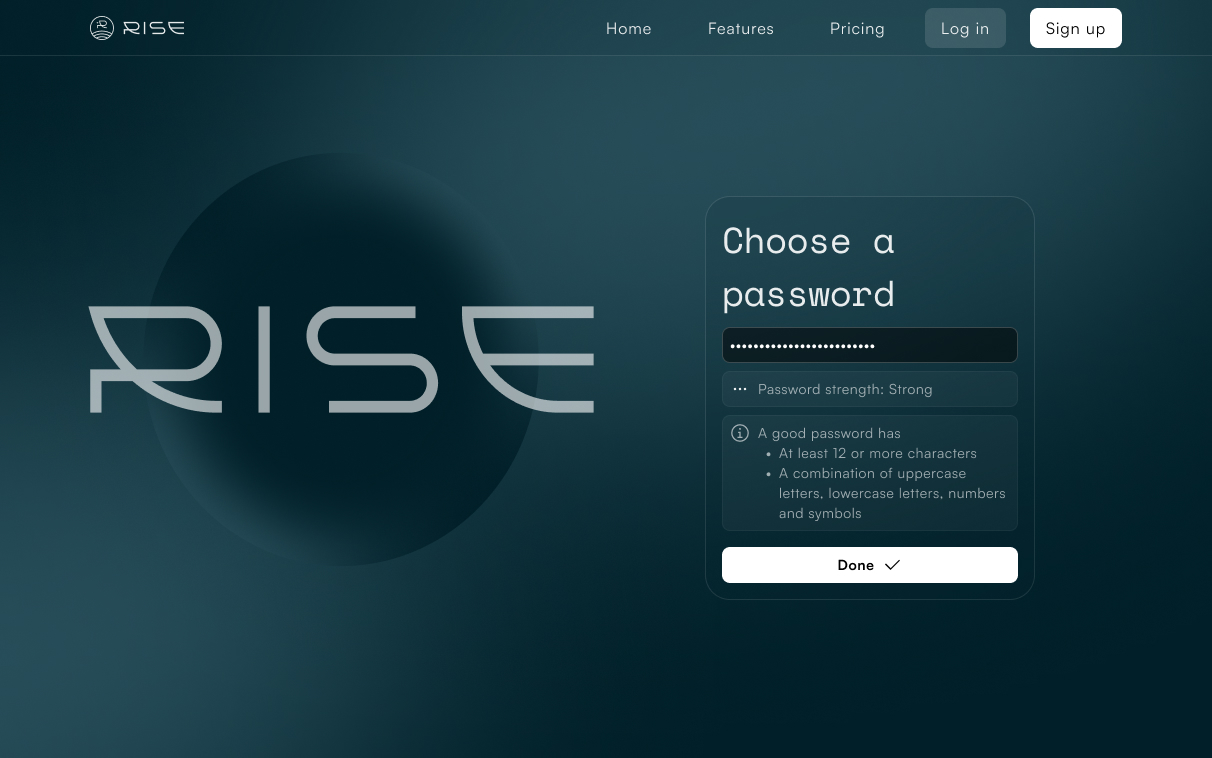
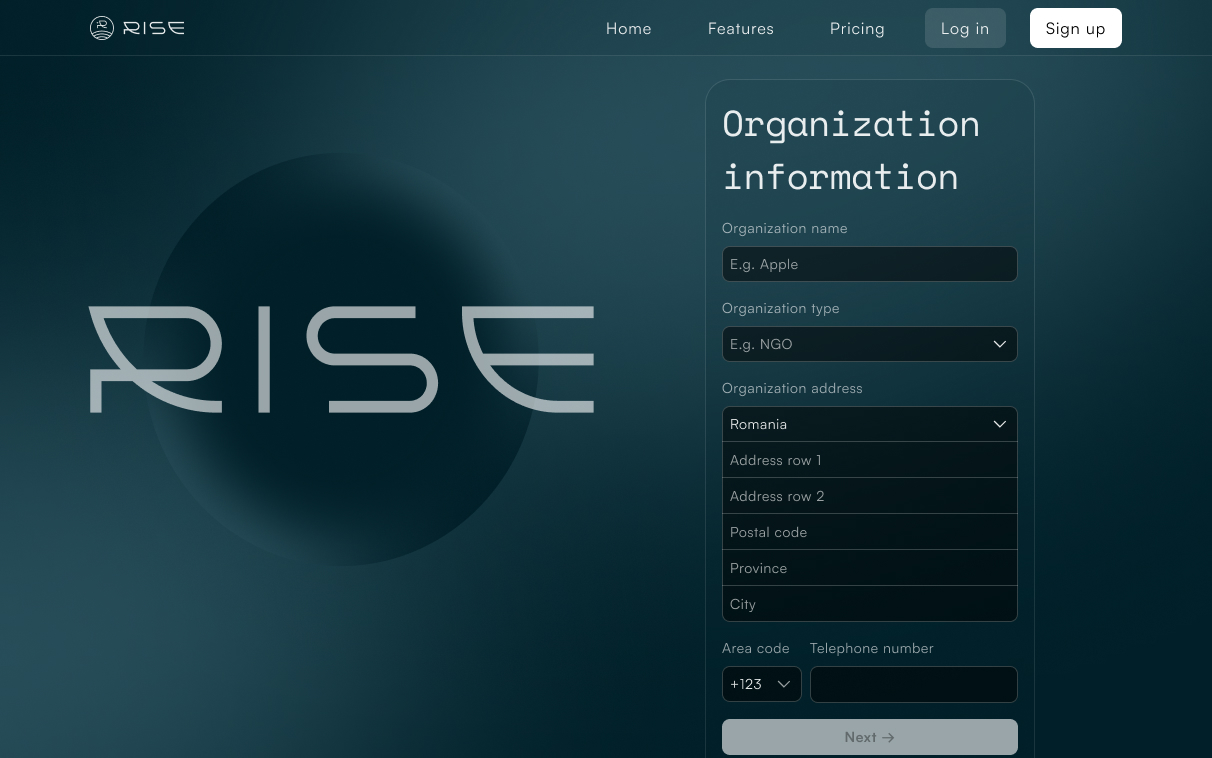
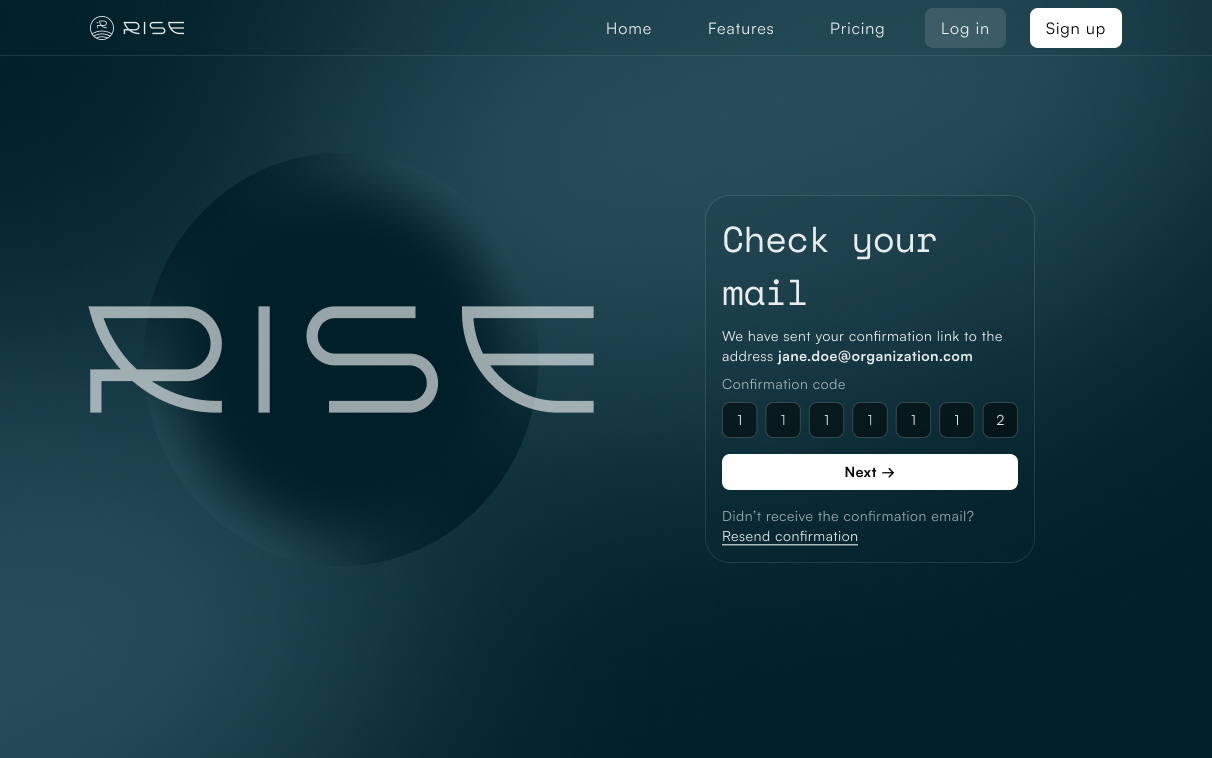
The design won the competition against 226 submissions from 32 designers. Since then, the RISE app has launched at rise.wasdi.net, mostly following my concept closely in structure and interaction patterns, with some differences in visual detail and polish that come from real‑world implementation constraints.
I worked solo on this project, from interpreting the brief and defining the interaction model to creating high‑fidelity designs and building the interactive prototype.
I’m proud of the work and the recognition it received, but the project also solidified my view on design contests on these platforms. Even when they pay prize money, the amount of unpaid speculative work they tend to create doesn’t feel healthy for designers or the industry. This one‑off experiment was worth it for the learning and the outcome, but it also confirmed that I prefer more collaborative, partnership‑based ways of working.